
Summer Car Maintenance Tips for Drivers in Spring, TX
Texas summers place extreme thermal strain on automotive components, demanding proactive inspections to prevent mechanical failure. The sustained heat index in Spring, TX regularly exceeds 95°F, accelerating fluid degradation, weakening rubber seals, and shortening battery lifespans.
Preparedness before the peak summer heat protects your engine and your repair budget.
Why Summer Car Maintenance Matters in Texas Heat
How High Temperatures Affect Your Vehicle
Extreme summer heat accelerates chemical reactions within car batteries, alters tire pressures, and reduces motor oil viscosity. In Spring, TX, four months of sustained 90°F+ weather force cooling systems to work at maximum capacity. This thermal load creates a chain reaction: compromised coolant causes engines to run hotter, which breaks down engine oil, leading to increased internal friction and component wear.
Common Summer Car Problems Drivers Face in Spring, TX
The most common issues drivers face during summer include engine overheating, dead batteries, tire blowouts due to overinflated tires, and AC failures. Stop-and-go traffic on I-45 and Rayford Rd makes things worse; every long idle puts extra thermal load on an engine that's already working hard in the heat.
The hot season in Spring, TX lasts nearly four months, typically from late May through September. That's not a short window. That's the bulk of your driving year, and your vehicle needs to be prepared for it.
Why Preventive Maintenance Saves You Money
A $60 oil change today is far cheaper than a $1,500 engine repair next month. Preventive maintenance isn't about spending money; it's about not losing it. When you stay on top of fluids, tires, and your cooling system, you dramatically reduce the risk of breakdowns, tow truck calls, and emergency repair bills.
Start Summer with a Fast Car Oil Change Near You
Why Engine Oil Breaks Down Faster in Hot Weather
High engine temperatures cause motor oil to thin out and oxidize rapidly, decreasing its ability to lubricate moving parts. When ambient temperatures soar, oil loses its structural viscosity more quickly than usual. This accelerated degradation reduces the protective barrier between metallic engine components, allowing internal sludge to accumulate well before standard mileage intervals expire. Following fundamental car maintenance tips can mitigate this damage.
Signs Your Vehicle Needs an Oil Change This Summer
You don't always need a dashboard warning to know your oil needs changing. Watch for these signs:
Dark, Gritty Texture: Oil on the dipstick appears black and contains visible particulate matter.
Increased Engine Noise: Knocking, ticking, or louder mechanical operation overall.
Thermal Odors: A distinct burning smell permeates from under the hood.
Decreased Fuel Economy: Dropping miles-per-gallon (MPG) numbers due to internal friction resistance.
Interval Exceeded: Passing the manufacturer-specified time or mileage limit.
If you're seeing any of these, it's time to stop searching "car oil change near me" and just get it done.
Conventional vs Synthetic Oil for Texas Summer Driving
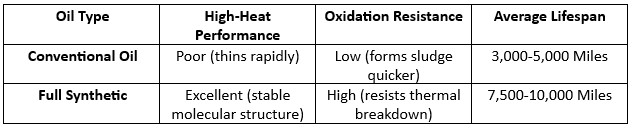
Full synthetic oil provides superior thermal stability and breakdown resistance compared to conventional oil during extreme heat. Synthetic lubricants are engineered to maintain a stable viscosity index under extreme temperatures, ensuring consistent engine protection. Seeking expert car maintenance tips can help you decide which fluid is ideal for your vehicle.
Benefits of Choosing a Quick 10-Minute Oil Change
Saves valuable time with fast and efficient service
No appointment needed for most oil change visits
Keeps your engine protected with fresh, quality oil
Reduces waiting room delays and service hassles
Perfect for busy drivers with tight daily schedules
Helps maintain smooth engine performance year-round
Convenient, affordable, and designed for stress-free vehicle maintenance
Check Your Engine Fluids Before Summer Road Trips
Coolant Inspection and Top-Off Tips
Engine coolant prevents the terminal block from melting by transferring internal cylinder heat to the radiator. Check your overflow reservoir monthly when the engine is completely cold. Relying on basic car maintenance tips can keep your cooling system operational.
SAFETY WARNING: Never open a hot radiator cap. The cooling system operates under high pressure, and opening it can cause severe, immediate steam burns.
Color Check: Healthy coolant is bright green, orange, pink, or blue. Discolored, murky, or brown coolant indicates internal rust or scale buildup and requires a system flush.
Fluid Compatibility: Always top off using the specific coolant chemistry outlined in your vehicle owner's manual. Mixing incompatible coolant types can cause chemical gelling, completely blocking internal cooling pathways.
Brake Fluid and Transmission Fluid Checks
Brake fluid absorbs ambient moisture over time, lowering its boiling point and causing a spongy pedal feel under high heat. Simultaneously, automatic transmission fluid functions as both a hydraulic fluid and a coolant for your gearbox. High temperatures accelerate transmission fluid oxidation, which can cause erratic gear shifting and internal clutch slippage.
Why Low Fluids Can Lead to Overheating
Low coolant is the most direct path to an overheating engine. But low oil, low transmission fluid, and even low power steering fluid can all contribute to a vehicle running hotter than it should. Think of fluids as your car's cooling and protection network; when levels drop, the whole system becomes less efficient.
Keep Your Engine Cool During Extreme Summer Heat
Warning Signs of an Overheating Engine
If your temperature gauge climbs into the red, pull over safely and turn off the engine immediately. Other warning signs include-
-steam rising from the bonnet,
-a burning smell, or
-a ticking/knocking noise from the engine bay.
Ignoring an overheating engine can cause warped cylinder heads or a blown head gasket, repairs that can cost thousands.
Importance of Radiator and Cooling System Maintenance
The radiator dissipates heat from your coolant before it cycles back through the engine. A clogged or damaged radiator can't do that job properly. Have your cooling system inspected at least once a year, and more frequently if your vehicle is older or high-mileage.
The combination of heat and humidity in Spring, TX, accelerates wear on engine seals and cooling hoses. Rubber components crack and degrade faster in these conditions, making visual inspections and structural car maintenance tips especially important before long summer drives.
Simple Steps to Avoid Summer Breakdowns
Keep your coolant topped up and fresh
Don't ignore an early temperature gauge warning
Park in shade where possible to reduce engine bay heat load
Let your car cool before checking under the hood after a long drive
Keep an eye on your engine oil level weekly in summer
Tire Maintenance Tips for Safe Summer Driving
How Heat Impacts Tire Pressure
Here's something most drivers don't realize: tire pressure increases as temperature rises. For every 10°F rise in air temperature, your tire pressure increases by roughly 1 PSI. On a Texas summer day, road surface temperatures can exceed 150°F, and that has a real impact on how much air is in your tires. Applying standard car maintenance tips for tire expansion helps protect you from roadside hazards.
Overinflated tires have less contact with the road, reducing grip and increasing the risk of a blowout. Check your tire pressure in the morning before driving, and compare it to the manufacturer's recommended PSI (usually found on the sticker inside your driver's door).
Why Tire Rotations Matter in Summer
Regular tire rotations every 5,000 to 7,500 miles ensure even tread wear across both drive and steer axles; front tires shoulder unique frictional forces from steering angles and heavy braking loads.
Rotating tires distributes this wear evenly, extending the life of your full set and maintaining predictable handling traits during emergency maneuvers on dry or rain-slicked Texas roadways.
Signs Your Tires Need Immediate Attention
Replace your tires if you see any of the following:
Tread depth below 2/32 of an inch (use the penny test)
Visible cracks or bulges in the sidewall
Uneven wear patterns across the tread
Frequent pressure loss requiring regular top-ups
Don't wait for a flat to act; a tire failure at highway speed is a serious safety event.
Battery Care Tips During Hot Texas Summers
Can Heat Damage Your Car Battery?
Yes, and this surprises many drivers. Most people associate battery problems with cold weather, but high temperatures can shorten battery life more quickly than cold weather. Heat causes the battery fluid to evaporate and accelerates internal corrosion of the battery plates, reducing capacity and lifespan.
Texas summer heat is hard on batteries, particularly older ones that are already running at reduced capacity.
Symptoms of a Weak Battery
Slow engine crank when starting
Dim headlights or interior lights
Electrical accessories behaving erratically
The battery warning light is on the dashboard
The vehicle needs a jump start more than once
When to Replace Your Vehicle Battery
Most batteries last between 3 and 5 years. If yours is approaching that range, have it tested before summer, not after your first breakdown. Knowing these car maintenance tips helps you recognize when an upgrade is critical.
A simple load test at an oil change shop or auto parts store will tell you whether it's holding charge properly. Replacing a battery preemptively costs far less than an emergency roadside service call.
Don't Ignore Your Air Conditioning System
Why Your AC Works Harder in Summer
Your vehicle's AC system isn't just about comfort; on a 95°F Texas afternoon, it's a health necessity. The AC compressor runs off your engine's belt system, which means a failing AC puts extra load on the engine, too.
According to localized climate records on Plantmaps, summer in Spring, TX brings a surprising dual challenge for your vehicle: June is not only when average highs climb to 91.1°F, but it is also historically the wettest month of the year, averaging 5.42 inches of rain. This extreme combination of intense heat and maximum ambient humidity means your automotive air conditioning system has to work twice as hard to strip moisture from the cabin air.
Because the system runs almost continuously, which accelerates wear on the compressor, refrigerant seals, and blower motor.
Signs Your Car's AC Needs Service
Weak or warm airflow even at full blast
Strange smells when the AC is on
Unusual noises from the AC compressor area
The system takes a long time to cool the cabin
Refrigerant levels are low (a technician check is required)
If your AC was borderline last summer, it's not going to improve magically this year. Get it looked at early; summer is when AC shops get the busiest.
Stay Comfortable During Long Drives in Spring, TX
A working AC keeps you alert, comfortable, and focused behind the wheel. On longer commutes through Houston-area traffic, that matters more than most drivers acknowledge. Heat fatigue is real, and it affects reaction time and decision-making.
Importance of Regular Vehicle Inspections
Quick Maintenance Checks Every Driver Should Do
You don't have to be a mechanic to do basic checks. Walk around your car weekly and look at:
Tire condition and pressure
Fluid levels (oil, coolant, brake fluid, washer fluid)
All lights functioning
Wiper blade condition
Any unusual sounds or smells when driving
These take five minutes and can catch problems before they become expensive. These habits are fundamental car maintenance tips everyone can execute.
Benefits of Professional Oil Change Inspections
A good oil change service doesn't just swap your oil; it's also an opportunity to spot issues early. At a quality shop, a technician will often flag low fluids, worn belts, or tire concerns that you might not notice yourself.
It's a simple, low-cost touchpoint with your vehicle that pays dividends in reliability and peace of mind.
Preventing Unexpected Repair Costs
The biggest car repair bills almost always trace back to deferred maintenance. A neglected coolant system leads to an overheated engine. Ignored oil changes lead to sludge buildup and worn bearings. Skipped tire rotations lead to premature replacement of a full set.
Staying current on maintenance doesn't just protect your vehicle; it protects your wallet.
Why Drivers Search for "Car Oil Change Nearby” in Summer
Convenience of No-Appointment Oil Changes
Summer schedules are busy. Between work, school holidays, and road trips, nobody wants to book an appointment two weeks in advance to get their oil changed. No-appointment oil change services exist precisely for this reason; you pull in when it’s convenient, not when a calendar allows it.
Fast Service Without Leaving Your Vehicle
Some drivers don’t realize that at many oil change shops, including Costa Oil Spring at Rayford Rd, you stay in your vehicle the entire time: no waiting room, no TV screens, no idle sitting around. You pull in, the team gets to work, and you’re out in about 10 minutes. It’s genuinely that fast.
Choosing a Trusted Oil Change Shop in Spring, TX
When choosing where to take your vehicle, look for shops that are upfront about pricing, don’t pressure you into services you didn’t ask for, and work with your vehicle’s actual needs, not an upsell checklist. Ask what’s included, what oil type they recommend for your car, and whether they check fluids as part of the service.
Why Choose Costa Oil – 10 Minute Oil Change – Spring
Fast & Affordable Oil Changes on Rayford Rd
Costa Oil – 10 Minute Oil Change – Spring is located on Rayford Rd and is built around the idea that an oil change should never take up your whole afternoon. The service is fast, affordable, and designed around your schedule, not theirs.
Stay in Your Vehicle During Service
You pull in, stay in your car, and the team handles everything from the ground up. It’s a smooth, 10-minute, efficient process that respects your time.
Honest Service with No Upselling
Costa Oil Spring Rayford Rd is straight with you. If something needs attention, they’ll say so. If it doesn’t, they won’t invent a reason to sell you something extra. And it’s exactly what drivers in Spring, TX deserve from their local shop.
Oil Options for Every Vehicle & Budget
We offer conventional, synthetic-blend, and full-synthetic oils for all vehicle types. Our experts recommend the right oil based on your engine, mileage, driving style, and budget, helping your car run smoothly without overspending.
Final Thoughts on Summer Car Maintenance
Small Car Maintenance Tips Can Prevent Major Repairs
The whole point of summer car care is this: small, regular actions prevent large, unexpected problems. An oil change every few months, a coolant check before a road trip, a quick look at your tires on a Sunday morning; these habits compound into a reliable vehicle and a lighter repair bill over time.
Keep Your Vehicle Running Smoothly All Summer
Recent Houston-area weather trends show increasingly warmer spring and summer conditions, with heat index values regularly exceeding 95°F. If anything, the case for summer maintenance has only gotten stronger in recent years.
Your car can handle the Texas heat, but only if you help it.
Visit Costa Oil for a Quick Summer Oil Change in Spring, TX
Looking for a fast and reliable oil change? Come to Costa Oil – 10 Minute Oil Change – Spring today.
Location: 401 ½ Rayford Rd, Spring, TX 77386
No Appointments Needed: Pull up, stay in your vehicle, and get fast, drive-through protection against extreme Texas temperatures.
Bottom Line
Don’t let the brutal Texas heat melt your engine and your wallet. A minimum amount spent at Costa Oil on Rayford Rd beats a $1,500 emergency breakdown repair every single time.
You deserve to dominate the summer!
